
Memorial Day weekend often brings cookouts, travel, restaurant meals, and schedule changes. That can make healthy routines feel harder to maintain. The good news is that staying flexible without feeling like you’re starting over on Memorial Day is possible with realistic planning, hydration, movement, and a balanced mindset.
Memorial Day can feel like the unofficial start of summer. For many people, that also means disrupted schedules, less structure, and more social events. If you’ve been working toward wellness goals, it’s easy to feel pressure to “stay perfect” or worry that one weekend could undo your progress.
The reality is much simpler. A single holiday weekend does not erase healthy habits. What matters most is how you approach consistency over time. Learning how to stay flexible without feeling like you’re starting over can help you enjoy the holiday while still supporting your long-term wellness goals.
A Flexible Wellness Mindset Matters More Than Perfection
Many people enter holidays with an all-or-nothing mindset. They either try to control every meal and activity or completely abandon their routines. Both approaches can create unnecessary stress.
A more sustainable approach focuses on flexibility. That means allowing room for celebration while still keeping a few supportive habits in place. Wellness is not about perfection. It is about building routines you can return to consistently.
For people focused on metabolic health, recovery, weight management, or energy support, holidays are part of real life. Flexible routines often create better long-term success than strict restriction.
Why Memorial Day Does Not Undo Your Progress
One weekend rarely changes long-term wellness outcomes. Progress is built through patterns over weeks and months, not through a single meal or event.
What often creates frustration is not the holiday itself, but the mindset afterward. Some people assume they have “failed” and stop their healthy habits entirely. That is where the feeling of starting over usually begins.
Instead of viewing Memorial Day as a setback, it can help to think of it as a temporary shift in routine.
Progress Is Built Through Consistency
Healthy habits work best when they are realistic enough to continue through everyday life, vacations, celebrations, and weekends.
Examples of sustainable consistency include:
- Staying hydrated during busy weekends
- Getting enough sleep when possible
- Choosing movement over inactivity
- Eating balanced meals most of the time
- Returning to normal routines after celebrations
These small habits often matter more than trying to be perfect for a few days.
Personalized Compounded NAD+
Looking for anti-aging solutions? Start your free assessment now!
Planning for Flexibility Before the Holiday
Preparing ahead of time can reduce stress and help you feel more in control during holiday events.
Planning does not mean creating strict rules. Instead, it means making supportive choices that allow flexibility.
Simple Ways to Prepare for Memorial Day Weekend
Prioritize Hydration Early
Hydration is one of the easiest wellness habits to maintain during holidays. Warmer weather, travel, outdoor events, and alcohol can all increase dehydration risk.
Simple hydration strategies include:
- Starting the morning with water
- Carrying a reusable water bottle
- Drinking water between alcoholic beverages
- Choosing electrolyte support if needed
- Eating water-rich foods like fruit and vegetables
Hydration may also support energy levels, recovery, and overall wellness during busy weekends.
Avoid Skipping Meals
Some people try to “save calories” before parties or cookouts. This can sometimes lead to overeating later.
Instead, try to maintain balanced meals throughout the day. Including protein, fiber, and healthy fats may help support fullness and energy.
A balanced approach can make social eating feel less stressful and more enjoyable.
Focus on Enjoyment Instead of Restriction
Memorial Day is often about spending time with family and friends. Constantly worrying about food choices can take away from the experience.
Giving yourself permission to enjoy meals without guilt can help create a healthier relationship with wellness habits overall.
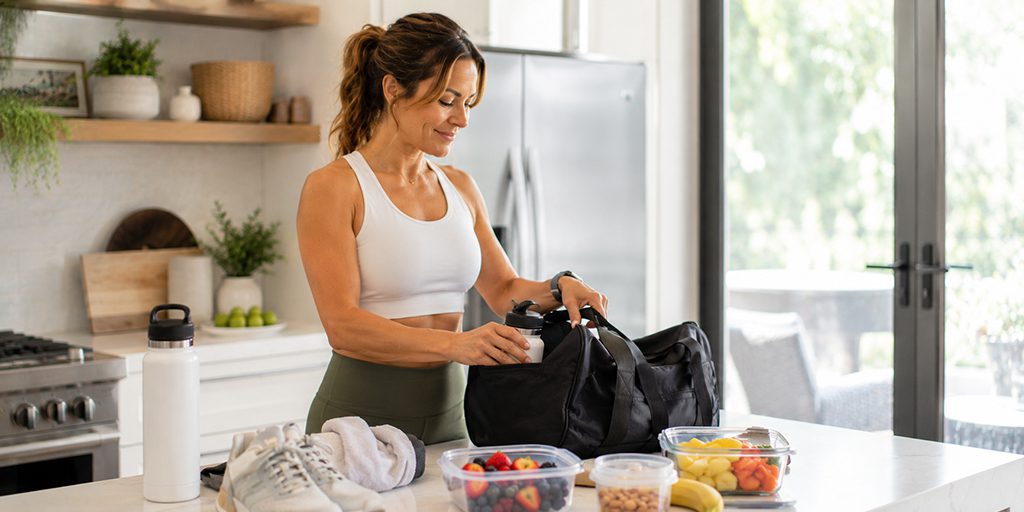
Simple Strategies for Staying on Track During Holiday Weekends
Staying on track does not mean avoiding fun. It usually means maintaining a few supportive routines even while schedules change.
Flexible Wellness Habits That Can Help
| Habit | Why It Helps |
|---|---|
| Staying hydrated | Supports energy and recovery |
| Walking or staying active | Encourages movement without pressure |
| Prioritizing sleep | Helps maintain routine and recovery |
| Eating balanced meals | Supports consistency and fullness |
| Avoiding guilt | Encourages long-term sustainability |
These habits are realistic for many people and can help prevent the “starting over” feeling after the weekend ends.
Movement Does Not Need to Be Intense
Holiday weekends often interrupt normal workout schedules. That does not mean movement has to disappear entirely.
Simple options may include:
- Morning walks
- Swimming
- Outdoor games
- Stretching
- Light gym sessions
- Exploring while traveling
Even small amounts of movement can help support energy, mood, and routine consistency.
Sleep Still Matters
Late nights and travel can affect sleep quality during holidays. Poor sleep may also impact energy, recovery, hunger cues, and overall wellness habits.
While perfect sleep may not always be realistic during Memorial Day weekend, small improvements can still help:
- Going to bed slightly earlier when possible
- Limiting screens before sleep
- Staying hydrated
- Returning to your normal routine after the holiday
Resetting After Memorial Day Without Starting Over
Many people assume they need a dramatic “reset” after holidays. In reality, the best approach is usually simple consistency.
You do not need extreme dieting, excessive workouts, or punishment-based thinking.
Return to Your Routine Gradually
The day after Memorial Day can be treated like any other normal day.
Helpful post-holiday habits may include:
- Drinking more water
- Returning to regular meals
- Getting quality sleep
- Going for a walk
- Resuming normal workouts
- Focusing on consistency instead of perfection
The faster you return to balanced routines, the less likely you are to feel stuck in a cycle of guilt or starting over.
Avoid the “I’ll Start Again Monday” Mentality
One of the biggest obstacles after holidays is delaying healthy habits because of guilt or frustration.
Instead of waiting for the “perfect time,” try returning to one or two supportive habits immediately. Small actions often help rebuild momentum faster than strict plans.

How Wellness Support May Fit Into Long-Term Consistency
For some individuals, provider-guided wellness support may also play a role in maintaining consistency throughout busy seasons and holidays.
Depending on individual goals, people may explore options related to:
- Metabolic health support
- GLP-1 programs
- Recovery support
- NAD+ wellness support
- Peptide therapies
- Energy optimization
NAD+ and Recovery Support
NAD+ is a coenzyme involved in cellular energy production and metabolic function. Some wellness programs use NAD+ support as part of broader recovery and energy-focused routines.
While research continues, some individuals explore NAD+ support to complement healthy lifestyle habits related to:
- Energy support
- Recovery
- Wellness optimization
- Healthy aging goals
These treatments should always be approached through qualified provider guidance and personalized wellness planning.
Sustainable Wellness Often Works Better Than Extreme Rules
Long-term wellness usually comes from realistic habits that fit everyday life. Holidays, vacations, and celebrations are part of that process.
Learning flexibility can reduce stress and help support healthier routines over time.
Rather than viewing Memorial Day as something that “ruins” progress, it may help to view it as one small part of a much larger wellness journey.
Frequently Asked Questions
Can one holiday weekend ruin weight loss progress?
A single holiday weekend is unlikely to undo long-term progress. Wellness outcomes are usually influenced more by consistent habits over time than by one event or meal. Returning to balanced routines after the holiday often matters more than trying to be perfect during it.
How can I stay active during Memorial Day weekend?
Simple movement can still support wellness during holidays. Walking, swimming, stretching, outdoor activities, or short workouts may help maintain consistency without adding unnecessary stress or pressure.
Should I avoid holiday foods completely?
Completely restricting foods during holidays can sometimes create more stress and guilt. A flexible approach that includes balanced meals and mindful enjoyment is often more sustainable long term.
Why is hydration important during holidays?
Travel, heat, alcohol, and busy schedules can increase dehydration risk. Staying hydrated may help support energy, recovery, and overall wellness throughout holiday weekends.
What is NAD+ used for in wellness programs?
NAD+ is associated with cellular energy production and metabolic function. Some provider-guided wellness programs include NAD+ support as part of broader energy, recovery, and longevity-focused wellness plans.
Conclusion
Memorial Day does not need to feel like a setback. Staying flexible without feeling like you’re starting over often comes down to maintaining simple habits, avoiding guilt, and returning to consistency after the holiday ends.
Sustainable wellness is built through realistic routines that fit real life, including holidays, travel, and celebrations.
TRAVA supports sustainable wellness with provider-guided approaches focused on long-term consistency, metabolic health, recovery, and wellness optimization during every season of life.
Disclaimer: TRAVA is not affiliated with, Mounjaro, Ozempic, Rybelsus, Saxenda, Trulicity, Wegovy, or Zepbound. However, we do offer alternatives such as Semaglutide and Tirzepatide. Before beginning any treatment, it's essential to consult with a licensed healthcare provider to ensure the best approach for your individual health needs.